
Why Streetwear Dominates Fashion Globally in 2026
by Supplied Fashion
Pushing past mainstream style takes more than just wearing the latest trainer drop. For style leaders across London, New York, and Tokyo, streetwear serves as a bold declaration of identity rooted deeply in urban subcultures. As this movement continues to challenge conventional norms, you will discover how authentic expression and exclusive design drive streetwear’s global influence and cultural power among the next generation of tastemakers.
Table of Contents
- Streetwear’s Definition And Cultural Roots
- How Streetwear Shapes Modern Fashion
- Luxury Collaborations And Brand Influence
- Digital Culture, Exclusivity, And Hype
- Sustainability, Identity, And Streetwear’s Future
Key Takeaways
| Point | Details |
|---|---|
| Cultural Significance | Streetwear embodies urban youth identity, freedom of expression, and challenges traditional fashion norms. |
| Evolution of Collaboration | Luxury brands increasingly collaborate with streetwear designers, merging high fashion with urban culture to reach younger consumers. |
| Digital Transformation | Online platforms have reshaped streetwear consumption, with exclusive drops creating a sense of urgency and community engagement. |
| Sustainability Focus | As sustainability becomes integral, streetwear brands prioritise ethical practices and materials, reflecting consumer values and environmental consciousness. |
Streetwear’s Definition and Cultural Roots
Streetwear represents far more than clothing—it’s a complex cultural language expressing urban youth identity, creativity, and rebellion. Tracing streetwear’s cultural foundations reveals a rich tapestry of grassroots movements and subcultural expression.
Originating in post-World War II Britain, streetwear emerged from underground urban communities, particularly skateboarding, hip-hop, and punk scenes. These subcultures transformed clothing from mere functional coverage into a powerful medium of personal storytelling and social commentary. Young people found clothing as a way to challenge traditional fashion hierarchies, creating styles that rejected mainstream aesthetic norms.
Key characteristics of streetwear include:
- Emphasis on individual authenticity
- Rejection of conventional fashion rules
- Strong connection to music and youth cultures
- Prioritisation of comfort and personal expression
- Limited edition and collaborative design approaches
The evolution of streetwear represents a profound sociological shift, transforming from marginal cultural practice to global fashion phenomenon. What began as localised expressions of identity have become worldwide movements, transcending geographical and cultural boundaries.
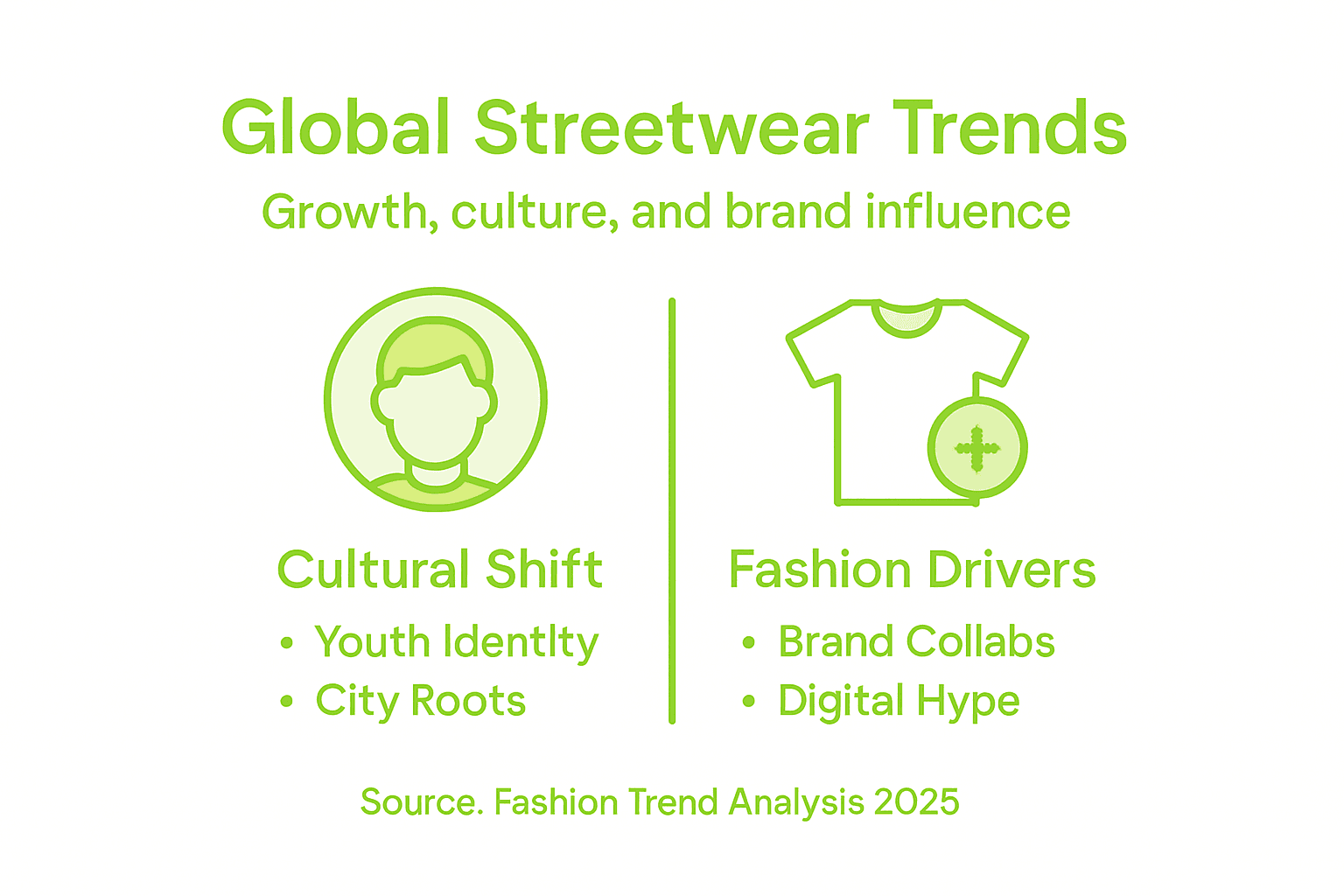
To highlight the evolution of streetwear, here is a timeline showcasing its key influences and societal impact:
| Era | Defining Influence | Societal Impact |
|---|---|---|
| Post-WWII | British youth subcultures | Challenged fashion norms |
| 1970s–80s | Punk, skate, hip-hop | Promoted self-expression |
| 1990s | Music and street art | Fused art and clothing |
| 2000s–Present | Digital and luxury fusion | Global cultural adoption |
Pro tip: Understand streetwear not just as clothing, but as a dynamic form of personal and collective storytelling through fashion.
How Streetwear Shapes Modern Fashion
Streetware has transformed from a niche aesthetic into a global cultural phenomenon that fundamentally reimagines fashion’s landscape. Contemporary streetwear drives fashion trends by challenging traditional design paradigms and introducing radical new perspectives on personal expression.
The movement represents more than clothing—it’s a dynamic cultural dialogue that reflects generational values and social perspectives. Luxury brands and traditional fashion houses now actively collaborate with streetwear designers, recognising the powerful cultural capital these urban aesthetics represent. This integration signals a profound shift, where street-inspired design moves from marginal to mainstream, breaking down hierarchical boundaries between haute couture and everyday fashion.
Key transformative elements of streetwear’s influence include:
- Prioritisation of comfort and functionality
- Gender-fluid design approaches
- Emphasis on individual self-expression
- Technology-integrated fabric innovations
- Sustainable material selections
- Collaborative cross-brand design models
Technological innovation and sustainability have become central to streetwear’s evolution. Streetwear’s revolutionary design approach now incorporates eco-conscious materials, smart textiles, and manufacturing processes that reflect younger generations’ environmental values. These innovations demonstrate how fashion can be both culturally relevant and environmentally responsible.
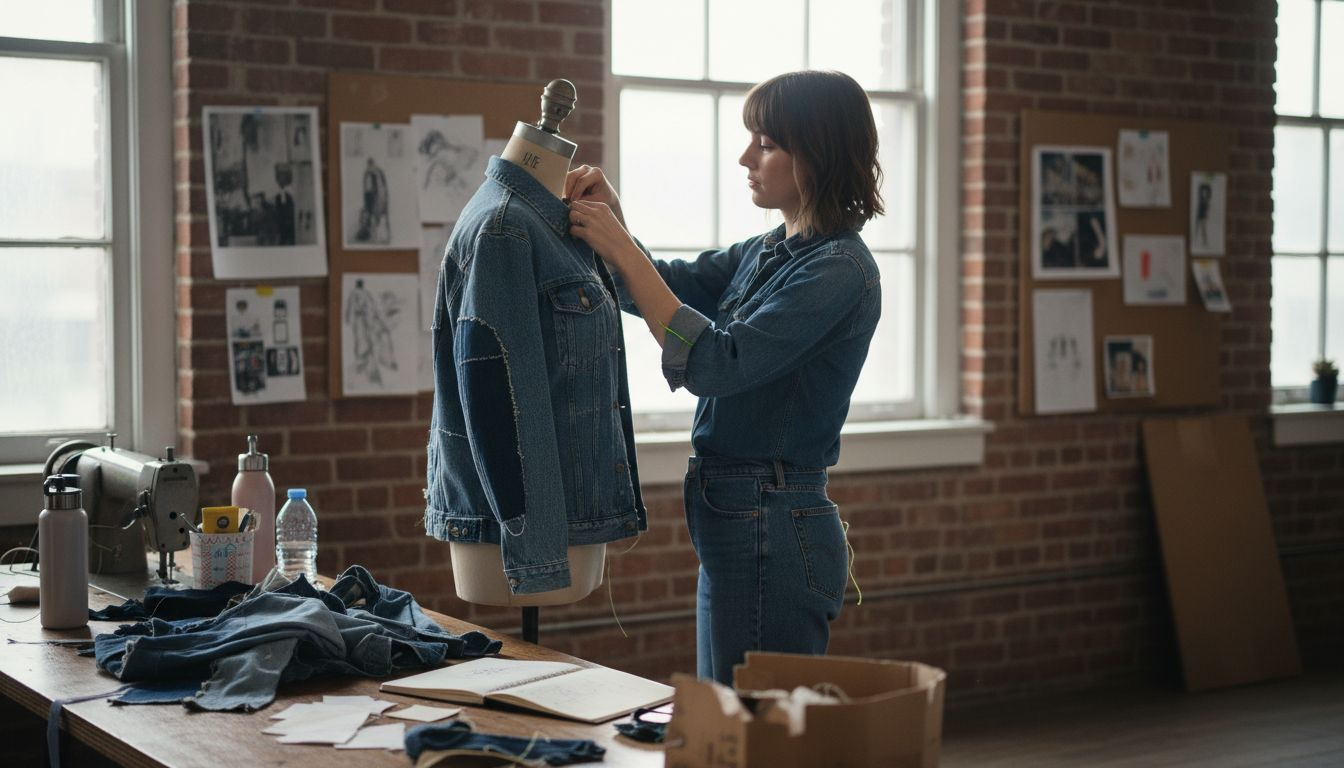
Pro tip: Invest in versatile streetwear pieces that blend technological innovation, sustainability, and personal style.
Luxury Collaborations and Brand Influence
Luxury streetwear collaborations have revolutionised the fashion landscape, creating a dynamic intersection between high-end design and urban cultural expressions. These strategic partnerships represent more than marketing tactics—they are sophisticated dialogues between traditional luxury houses and contemporary street culture.
The most successful collaborations demonstrate a nuanced understanding of brand identity and cultural relevance. Luxury brands now recognise that authenticity is paramount when engaging with streetwear aesthetics. Traditional fashion houses are no longer simply observing street culture; they are actively participating, creating collections that blend craftsmanship with youthful energy and rebellious spirit.
Key elements of successful luxury streetwear collaborations include:
- Mutual respect between collaborating brands
- Preservation of individual brand identities
- Innovative design approaches
- Limited edition product releases
- Storytelling through fashion
- Bridging generational design perspectives
Strategic partnerships have become increasingly sophisticated. Luxury brands adapt streetwear elements with remarkable precision, understanding that younger consumers demand more than traditional marketing approaches. These collaborations represent a profound cultural exchange, where luxury brands gain street credibility and streetwear designers access high-end production capabilities.
Pro tip: Collect collaborative pieces that represent genuine cultural dialogues, not just marketing campaigns.
For clarity, the table below compares streetwear’s approach to fashion with traditional luxury fashion:
| Aspect | Streetwear Approach | Traditional Luxury Approach |
|---|---|---|
| Design Ethos | Collaborative, fluid | Heritage, exclusivity |
| Release Model | Limited drops, online | Seasonal collections |
| Audience | Youth-driven, digital | High-income, established |
| Core Values | Authenticity, expression | Craftsmanship, tradition |
Digital Culture, Exclusivity, and Hype
Digital culture drives streetwear’s global transformation, turning fashion consumption into a sophisticated social experience that transcends traditional retail models. Social media platforms have become the primary battleground where brand narratives are constructed, communities are forged, and consumer desire is meticulously cultivated.
The mechanics of exclusivity have been dramatically reinvented through digital channels. Brands now leverage limited drops and direct-to-consumer online launches that create unprecedented anticipation and urgency. These strategic releases transform product launches into cultural events, where scarcity becomes a powerful marketing mechanism that generates intense consumer engagement.
Key digital strategies that define modern streetwear include:
- Algorithmically-curated product releases
- Real-time social media engagement
- Influencer-driven brand narratives
- Blockchain-verified product authentication
- Community-driven design feedback loops
- Instant global communication channels
Sneaker culture epitomises this digital transformation. Digital platforms shape streetwear’s identity by creating complex ecosystems where product value is determined not just by design, but by cultural significance and digital storytelling. The resale economy has emerged as a sophisticated market, driven by passionate communities that view limited edition items as cultural artifacts rather than mere commodities.
Pro tip: Build your digital streetwear knowledge by following key influencers and understanding the nuanced language of online fashion communities.
Sustainability, Identity, and Streetwear’s Future
Sustainability transforms streetwear’s fundamental identity, shifting from a trend to a critical philosophical approach that challenges traditional fashion consumption models. This evolution represents more than environmental responsibility—it’s a profound reimagining of how clothing reflects personal values and cultural consciousness.
Streetwear’s emerging sustainable paradigm goes beyond material selection, embedding ethical considerations into brand DNA. Circular fashion principles are becoming integral, with designers prioritising recyclable materials, transparent supply chains, and production methods that minimise environmental impact. Young consumers increasingly view their fashion choices as statements of personal ethics, demanding authenticity and genuine commitment to sustainability.
Key sustainable streetwear innovations include:
- Recycled fabric technologies
- Carbon-neutral manufacturing processes
- Transparent sourcing documentation
- Modular clothing design
- Biodegradable material research
- Extended product lifecycle strategies
Consumer identity has become intrinsically linked with sustainable choices. Streetwear brands now recognise that environmental consciousness is not a marketing strategy, but a fundamental expectation from their audience. The future of fashion lies in creating garments that tell a story of responsible production, cultural relevance, and individual expression.
Pro tip: Invest in versatile, sustainably produced streetwear pieces that align with your personal values and reduce fashion’s environmental footprint.
Experience the Future of Streetwear with SuppliedFashion
The article highlights streetwear’s evolution as a powerful cultural movement driven by authenticity, limited editions, and luxury collaborations. If you seek to express your individuality while staying ahead of global fashion trends, you must navigate the challenges of finding exclusive pieces that blend comfort, sustainability, and cutting-edge design. SuppliedFashion offers a curated selection of designer streetwear and luxury brands, providing you access to authentic, limited-drop collections that embody this dynamic cultural narrative.
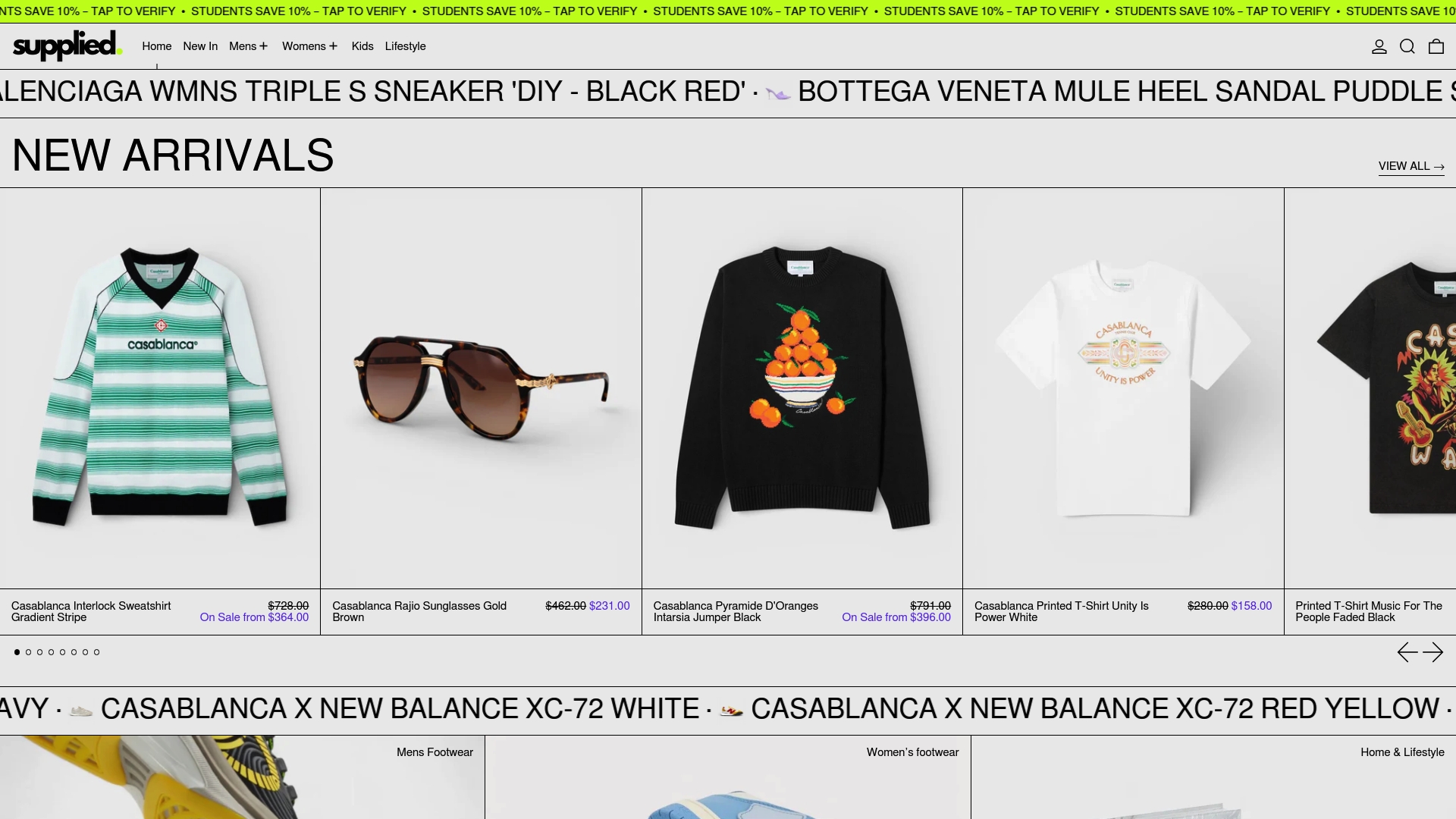
Discover unique styles from top brands like Balenciaga, Off-White, and Nike at SuppliedFashion. Shop new arrivals, exclusive collaborations, and discounted luxury items with confidence knowing you are embracing streetwear that honours its deep cultural roots while shaping the future of fashion. Don’t miss your chance to own iconic pieces that define next-level authenticity—visit SuppliedFashion today and redefine your wardrobe with statement streetwear.
Frequently Asked Questions
What defines streetwear as a fashion genre?
Streetwear is defined by its strong connection to urban youth culture and subcultures like skateboarding, hip-hop, and punk. It prioritises individual authenticity, emphasizes comfort, and often features limited edition and collaborative designs.
How has the perception of streetwear changed over the years?
Streetwear has evolved from a niche subculture into a global fashion phenomenon, breaking traditional fashion norms and becoming integrated with luxury brands and mainstream fashion, reflecting broader societal values and trends.
In what ways is sustainability influencing streetwear?
Sustainability in streetwear focuses on ethical production, recycled materials, and transparency. Brands are increasingly adopting circular fashion principles, making environmental responsibility a core part of their identity and appealing to consumers’ ethical considerations.
How do digital platforms impact streetwear culture?
Digital platforms have transformed streetwear by creating communities and driving product consumption through social media, influencer marketing, and a focus on exclusivity with limited drops, thus turning fashion consumption into a cultural experience.